

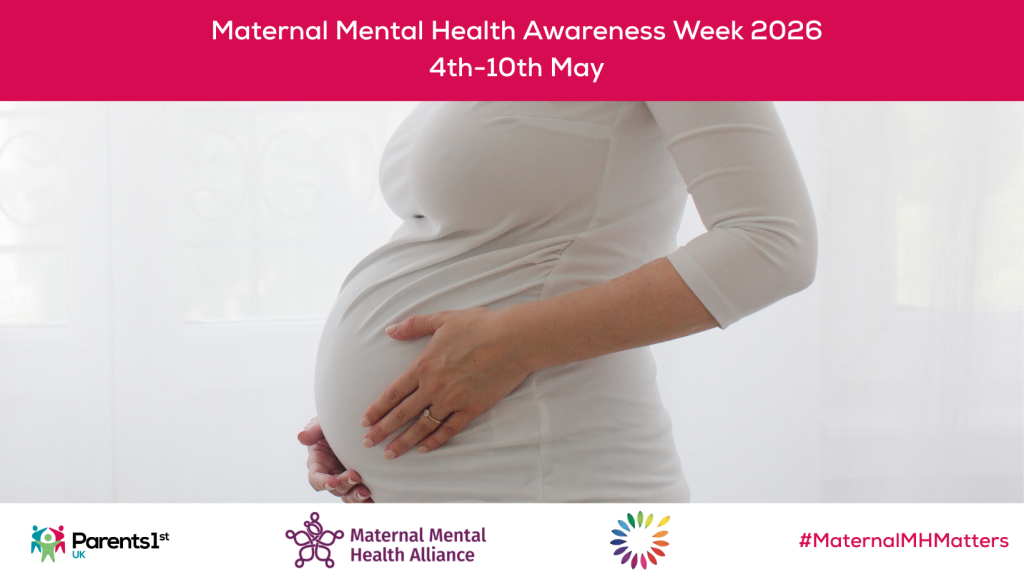
Maternal Mental Health Awareness Week 2026
Every year, families across the UK come together for Maternal Mental Health Awareness Week - a time to open up honest conversations about how pregnancy and early parenthood can affect our emotional and psychological wellbeing.
At Parents 1st UK, we know that becoming a parent is one of life’s biggest transitions. It can bring joy, love and pride, and also fear, overwhelm, sadness and exhaustion. For many parents, these feelings can feel confusing or even frightening, especially when they don’t match the expectations of how parenthood is “supposed” to feel.
Maternal Mental Health Awareness Week reminds us of something vital: you are not weak, failing or alone - and with the right support, recovery is possible.
What Is Maternal Mental Health Awareness Week?
Maternal Mental Health Awareness Week is about raising awareness of mental health difficulties that can happen during pregnancy and up to two years after birth. These challenges affect parents from all backgrounds and can show up in many different ways.
The week focuses on:
- Breaking stigma and shame
- Amplifying lived experience
- Helping families access information and support
- Creating a future where every parent feels heard, supported and believed
Symptoms to Look Out For
Maternal mental health difficulties don’t always look the same — and they aren’t always obvious. Some parents may appear to be coping on the outside while struggling deeply on the inside.
Here are some common signs and symptoms to look out for in yourself or someone you care about:
Emotional & Mental Signs
- Feeling persistently low, numb or tearful
- Intense anxiety, panic or racing thoughts
- Feeling overwhelmed or unable to cope
- Guilt, shame or feelings of being a “bad parent”
- Loss of interest in things you usually enjoy
- Intrusive or distressing thoughts (which can be very frightening but are more common than people realise)
Physical & Behavioural Signs
- Extreme tiredness that doesn’t improve with rest
- Difficulty sleeping, even when the baby sleeps
- Changes in appetite
- Withdrawing from friends, family or support
- Feeling disconnected from your baby or yourself
These experiences can happen during pregnancy, after birth, or months later — and they are not a reflection of how much you love your child.
If something doesn’t feel right, it’s important to trust that feeling and reach out.
The Power of Peer Support
One of the strongest messages we share at Parents 1st UK is this: healing doesn’t have to happen alone.
Peer support - support from people who have lived through similar experiences - can be incredibly powerful. Being able to say “me too” or hear “you’re not the only one” can ease isolation, reduce shame and help parents feel understood in ways that clinical support alone sometimes can’t.
Peer support offers:
- A safe, non-judgemental space
- Connection with others who get it
- Hope through shared lived experience
- Reassurance that recovery is possible
Sometimes, the first step towards healing is simply being listened to.
Where to Find Help and Support
If you or someone you know is struggling, help is available, and you deserve support.
Immediate Support
- GP or Midwife – a first point of contact who can refer you to specialist perinatal mental health services
- Health Visitor – trained to support parental mental health and family wellbeing
- 1-1 Peer Support - You can request Peer Support here
Specialist & Community Support
- Perinatal Mental Health Services (NHS) – available in many areas for parents during pregnancy and up to two years after birth
- Peer Support Groups – local or online groups where parents can share experiences safely. We hold regular groups so please check our website/ social media for information.
- Voluntary and community organisations offering tailored maternal mental health support
If You Need Urgent Help
If you feel at risk of harming yourself or others:
- Contact your GP urgently
- Call NHS 111
- In an emergency, call 999
- Reach out to Samaritans (116 123) for free, confidential support, 24/7
Asking for help is not a failure - it’s a strength.
How You Can Take Part This Week
Maternal Mental Health Awareness Week is for everyone:
- Talk openly about how you’re really feeling
- Check in on a parent you care about
- Share your story if you feel ready
- Learn more about peer support and local services
Small conversations can make a big difference.
You Matter, And So Does Your Story
Maternal mental health struggles are common, real and treatable. No parent should feel ashamed for needing support - and no one should have to navigate this journey alone.
This Maternal Mental Health Awareness Week, let’s continue to listen, support and stand alongside one another - building communities where parents feel safe to speak, supported to heal, and reminded every day that they matter.