

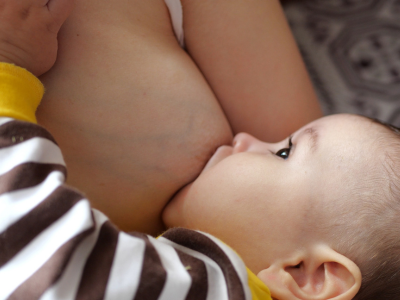
Breastfeeding: The Benefits, the Challenges and Why Support Matters
World Breastfeeding Week (1–7 August) is an opportunity to celebrate breastfeeding, raise awareness of its many benefits, and have honest conversations about what feeding a baby can really look like.
Every parent starts their feeding journey with hopes, plans and often a fair few expectations. We hear phrases like "breast is best" so often that it can leave us believing breastfeeding will come naturally. For some families it does, but for many others, the reality is very different.
It's time we talked more openly about that.
The Expectation vs The Reality
Breastfeeding can be a beautiful way to nourish and bond with your baby, but it can also be one of the most challenging parts of early parenthood.
Difficulties with latching, painful feeds, worries about milk supply, sleepless nights and conditions like mastitis can leave parents feeling overwhelmed, isolated and wondering if they're doing something wrong.
If this sounds familiar, please know this:
You are not failing.
You're learning something completely new while caring for a tiny human who is learning too. Every breastfeeding journey is different, and it's okay if yours doesn't look the way you imagined.
The Benefits of Breastfeeding
Breast milk is uniquely designed for your baby. It provides the perfect balance of nutrients, vitamins and minerals and adapts as your baby grows to meet their changing nutritional needs.
Breastfeeding offers many benefits for both babies and parents.
Benefits for your baby
Breastfeeding helps to provide:
- The ideal balance of nutrients, vitamins and minerals
- Natural antibodies to help protect against illness and infection
- Comfort, security and opportunities for bonding
Research shows breastfeeding can also help reduce your baby's risk of:
- Common infections
- Diarrhoea and vomiting
- Hospital admissions due to illness
- Sudden Infant Death Syndrome (SIDS)
- Childhood obesity
- Cardiovascular disease later in life
Every drop of breast milk has benefits. Whether you breastfeed for a few days, a few weeks, several months or beyond, your baby receives valuable nutrition and immune protection. Breast milk also changes as your baby grows, adapting to meet their changing needs.
Benefits for you
Breastfeeding can also have long-term health benefits for parents. Research shows it may help reduce the risk of:
- Breast cancer
- Ovarian cancer
- Osteoporosis
- Cardiovascular disease
- Obesity
Breastfeeding also releases hormones that encourage closeness and attachment, helping to strengthen the emotional bond between you and your baby.
When Breastfeeding Doesn't Go to Plan
While breastfeeding has many benefits, it isn't always straightforward.
Many parents experience challenges they weren't prepared for, and one of the most common is mastitis.
Mastitis occurs when breast tissue becomes inflamed, often because of a blocked milk duct or infection. It can develop quickly and leave parents feeling exhausted and unwell.
Common signs of mastitis include:
- A red, hot or swollen area on the breast
- Pain or a burning sensation during or between feeds
- Fever, chills or flu-like symptoms
- Feeling generally unwell or extremely tired
Recognising the signs early and seeking support can make a significant difference.
What can help?
- Continue feeding or expressing regularly to keep milk flowing
- Try gentle breast massage during feeds or expressing
- Apply a warm compress before feeding and a cool compress afterwards
- Rest and stay hydrated
- Seek medical advice promptly, particularly if symptoms don't improve within 24 hours or you develop a fever, as antibiotics may be needed
Remember, asking for help early is an important part of looking after both yourself and your baby.
It's Okay if You're Struggling
Whether you're breastfeeding, expressing, combination feeding or formula feeding, feeding your baby can be emotional, tiring and sometimes overwhelming.
It's okay if it isn't what you expected.
It's okay if you're exhausted.
It's okay if your plans change.
What isn't okay is feeling like you have to face it all alone.
The Power of Peer Support
Sometimes the most valuable support comes from someone who has been there themselves.
Peer supporters understand that every feeding journey is different. They won't judge your choices or tell you what you "should" do. Instead, they'll listen, encourage and help you find what works best for you and your family.
At Parents 1st UK, we believe every parent deserves to feel heard, respected and supported, whatever their feeding journey looks like.
Tips from Our Peer Supporters
Every breastfeeding journey is unique, but these simple tips can help in the early days:
- Ask for support early. The first few days are important for establishing breastfeeding, so don't be afraid to seek help.
- Keep snacks and drinks nearby. Breastfeeding can make you feel surprisingly hungry and thirsty.
- Make yourself comfortable. Use pillows to support both yourself and your baby during feeds.
- Learn about cluster feeding. It can feel like your baby wants to feed constantly, but this is completely normal and helps establish your milk supply.
- Know the signs your baby is thriving. Plenty of wet nappies, alertness and steady weight gain are all reassuring indicators.
- Remember how small your baby's stomach is. Frequent feeding is exactly what many newborns need.
- Learn before your baby arrives. Antenatal education can build confidence and help you feel more prepared for your feeding journey.
You Don't Have to Do This Alone
This World Breastfeeding Week, let's celebrate the many benefits of breastfeeding while also being honest about the realities that many families experience.
Let's recognise that every feeding journey is different, and that there is no single measure of success. What matters most is that parents feel informed, supported and empowered to make the choices that are right for them and their baby.
Asking for help is not a sign of weakness—it's a sign of strength.
Whether you're breastfeeding, expressing, combination feeding or formula feeding, you deserve kindness, encouragement and a supportive community around you.
If you'd like someone to talk to, our peer supporters are here to listen, share their experiences and help you feel more confident during pregnancy and early parenthood.
Need support?
Find out more about the Parents 1st UK Essex Peer Support Services and how we can support you: https://parents1st.org.uk/essex-peer-support-services